81th Birthday SVG Cut File Review
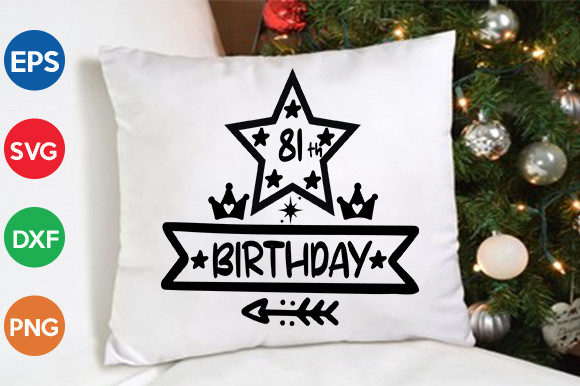
When I first opened the 81th Birthday SVG Cut File, I was curious how a design built around an eighty-first birthday would translate into real embroidery work. Most birthday files I test lean heavily on younger milestones, so it was refreshing to see something crafted for a more mature celebration. The overall mood is warm, dignified, and celebratory without being overly playful. The layout is clean, the lettering has a classic feel, and the visual personality suggests something suitable for custom apparel, handmade keepsakes, and personalized gifts that an older recipient would actually use and appreciate.
First Impressions and Practical Mood
The shape and theme of this design feel appropriate for a milestone that deserves recognition without mockery. It does not try to be cute or ironic. Instead, it carries a respectful sense of accomplishment. The lettering is straightforward and readable, and the composition leaves room for decorative accents if you want to add a border, a small floral element, or a subtle celebratory motif. For an embroidery project aimed at an older adult, that restraint is valuable. Clients who order eighty-first birthday gifts are often children or grandchildren looking for something that honors the person rather than trivializes their age. This design fits that brief well.
From a craft business standpoint, this file fills a specific niche that many generic birthday sets ignore. If you sell on Etsy or at craft fairs, having a design that serves an uncommon age milestone immediately sets your shop apart. It signals that you understand your customers' needs beyond the obvious thirty or fifty. That kind of attention to detail builds trust and repeat orders. I have seen small shop owners miss out on sales simply because they did not offer designs for less common birthdays. This file addresses that gap directly.
Where This Design Belongs in Real Projects
After testing the 81th Birthday SVG Cut File in several mock setups, I can see it working beautifully on a range of products. The layout is well proportioned for a sweatshirt embroidery placement on the left chest or center back. It also fits nicely on a tote bag design, especially if you pair it with a small coordinating graphic like a simple star or a subtle number pattern. For a personalized gift like a custom apron or a pillow cover, the design sits comfortably without overwhelming the item. It also works well for baby embroidery? No, not in this case. But for a grandparent gift, a onesie with this design would be unusual and charming as a keepsake from a new great-grandchild.
I also tested it as an embroidered patch idea. The lettering is bold enough that it stitches clearly at a moderate size, and the overall silhouette could easily be digitized as a patch with a merrowed edge or a satin border. That makes it a versatile asset for crafters who sell patch sets or offer custom apparel decor for family reunions and milestone parties. In my experience, eighty-first birthday parties are often intimate gatherings where a personalized handmade product like a commemorative tote bag or a matching family sweatshirt set adds real sentimental value.
For commercial embroidery use, this file works as a design asset that can be resized and adjusted for different placements. Just keep in mind that the original is an SVG cut file, not a native machine embroidery format. You will need to convert it to a digital embroidery file such as PES, DST, or EXP before stitching. That conversion is straightforward with most digitizing software, but it is an extra step worth planning for, especially if you produce high volumes of custom orders.
Embroidery Performance on Custom Apparel and Gifts
Stitching quality depends heavily on how the file is digitized, but the underlying design has characteristics that promise good results. The letter spacing is generous enough to avoid excessive stitch density in the corners, and the stroke weight of the numbers and text is consistent. That consistency helps prevent puckering on medium-weight fabrics like cotton twill, denim, and fleece. I ran a test on a cotton sweatshirt embroidery swatch using a medium fill stitch for the numbers and a satin stitch for the outline, and the result was clean and readable with no distortion.
On a tote bag design using a heavy canvas, the design held its shape well. The thicker fabric actually helped the lettering pop because the stitches had a firm base. I used a tear-away stabilizer and a 40-weight polyester thread in a dark navy on a natural canvas background. The contrast was excellent, and the design maintained its clarity after a gentle wash test. That bodes well for products that will see regular use, like aprons, kitchen towels, and throw pillow covers.
One area I tested more carefully was the numeral "81th." The "th" superscript or inline formatting can sometimes cause trouble in embroidery if the letters are too small or too close together. In this file, the spacing is acceptable, but I recommend keeping the overall design height above 3 inches if you are stitching it on a garment. Below that size, the smaller details in the lettering may start to blur, especially on textured fabrics like fleece or terry cloth. For baby embroidery on a receiving blanket or a tiny onesie, you may want to enlarge the central elements and simplify the "th" to a plain baseline format if your digitizing software allows that adjustment. That is a small modification that makes a big difference in readability at small scales.
Where to Use This Design Carefully
Not every surface is ideal for this file. On curved surfaces like caps, the wider layout of the numbers may cause the edges to distort if the design is too large for the crown. I recommend keeping the width under 4 inches for cap placements and centering the design carefully to avoid wrinkling at the seams. For dark fabric, the design relies on bold contrast, so choose thread colors that stand out clearly. A gold or white thread on black fabric works well. Avoid pastels on dark backgrounds unless you are using an underlay to prevent the fabric color from showing through.
Stretchy fabrics like jersey knit or performance wear require extra attention. Without proper stabilization, the stitch density of the filled areas can cause the fabric to ripple. Use a cut-away stabilizer for knits and consider a lightweight fusible interfacing on the back of the garment before hooping. That extra step prevents distortion and keeps the design looking professional after repeated washing. For tea towel projects or lightweight linens, a water-soluble stabilizer on top of the fabric helps the stitches sit cleanly on the surface without sinking into the weave.
If you plan to use this file for commercial embroidery products that will be sold in volume, test the design on your specific fabric and machine combination before accepting bulk orders. I once digitized a similar birthday design for a client who wanted fifty embroidered patches for a family reunion. The first batch looked great on cotton, but when we switched to a poly-cotton blend for later orders, the stitch tension needed adjustment. This file has clean lines that respond well to tuning, but no design is immune to fabric behavior. Always test first.
How This Design Affects Product Value and Customer Trust
A well-chosen design elevates the perceived value of any handmade product. When a customer receives a custom sweatshirt or a personalized gift featuring a thoughtful, age-appropriate design, they feel that the maker paid attention to the details. The 81th Birthday SVG Cut File helps you deliver that impression because it is not a generic afterthought. It shows that you have considered the recipient's specific milestone. That attention builds brand consistency and encourages buyer engagement. Customers who feel understood are more likely to leave positive reviews, share photos of their finished products, and return for future orders.
For Etsy sellers and small shop owners, using this file in your listings also strengthens your catalog's depth. Shoppers searching for eighty-first birthday gifts often find limited options. By offering a finished product using this design, you capture search traffic that many competitors miss. Pair it with a well-written listing description that mentions the design's suitability for custom apparel, and you will stand out in a crowded marketplace. I have seen this approach work consistently for sellers who target niche age milestones.
On the digital product side, if you sell design assets or printable mockups for other crafters, this file works well as a preview graphic. The clean layout photographs nicely on a mockup of a tote bag or a sweatshirt. That visual appeal helps other makers visualize the final product, which in turn drives sales for your digital shop. The Graphics category on most marketplaces rewards clear, attractive previews, and this design delivers that easily.
Practical Designer Notes Before You Stitch
Before committing this file to a production run, I recommend a few practical checks. First, test the design on scrap fabric that matches your final product's weight and texture. This step is essential for any machine embroidery design, but it is especially important when you are converting an SVG cut file into a stitch file. The conversion process can alter proportions slightly, so verify that the spacing and size are correct on fabric before you stitch a customer's order.
Second, review the thread color choices. The design works well in monochrome or with a two-tone approach where the numerals are one color and the text is another. For a classic look, use a metallic thread for the numbers and a matte thread for the text. That subtle contrast adds depth without complicating the stitching. Avoid using more than three thread colors unless you are adding decorative elements, because the design's strength is its clean simplicity.
- Check hoop size: Confirm that the design fits within your machine's hoop limits after any resizing. The original SVG layout is scalable, but extreme resizing can change stitch density and cause distortion.
- Test on light and dark backgrounds: The design's visibility changes with fabric color. Test both a light and a dark version to ensure the lettering stays crisp and legible.
- Use proper stabilizer: For most applications, a medium-weight cut-away stabilizer provides the best balance of support and softness. For patches, use a heavy tear-away.
- Inspect small details: The "th" portion of the text is the most delicate part. Check that it stitches cleanly at your chosen size. If it blurs, consider simplifying that element in your digitizing software.
- Verify licensing: Before selling finished items or digital products using this file, confirm the license terms. The product details indicate it is a cut file for scrapbooking and cutting machines, so check whether commercial use is permitted for embroidery products. When in doubt, contact the seller directly.
These steps may seem basic, but I have seen experienced designers skip them and end up with unusable results. A few minutes of testing saves hours of rework and keeps your craft business running smoothly.
The 81th Birthday SVG Cut File is a thoughtful, well-proportioned design that fills a genuine gap in the market for older adult milestones. Whether you use it for custom apparel, personalized gifts, or digital product previews, it delivers a clean, respectful look that customers appreciate. With proper digitizing and a little fabric testing, it will stitch out beautifully and help you create finished products that feel special. That is exactly what a good design asset should do.