59th Birthday SVG Cut File: A Designer Review for Real Projects
When I first opened the 59th Birthday SVG Cut File, I was looking for something that would work across both cut machine projects and embroidery transfers. The design comes as a digital download in SVG, PNG, EPS, and DXF formats, packed into one zip file. That alone tells me the creator understood that crafters, small shop owners, and embroidery designers do not live in one file format. We jump between software, machines, and substrates. Having options from the start saves hours of conversion work.
The mood of this design is warm, celebratory, and distinctly adult. It does not lean into childish birthday motifs. Instead, it carries a refined sense of milestone marking. The typography and layout feel intentional. It says sixty-ish without shouting. That matters when you are producing a personalized gift for a client who wants something classy for a parent, spouse, or friend. The design also carries enough visual weight to stand alone on a tote bag design or a sweatshirt embroidery project, but it is subtle enough to pair with other elements like names or dates.
First Impressions: Shape, Theme, and Visual Personality
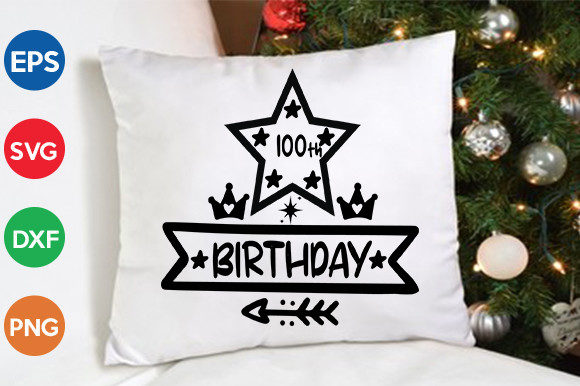
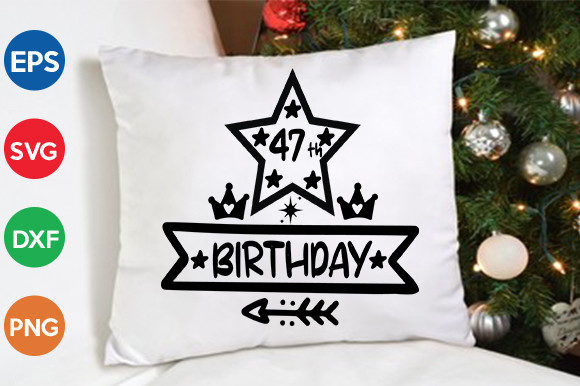
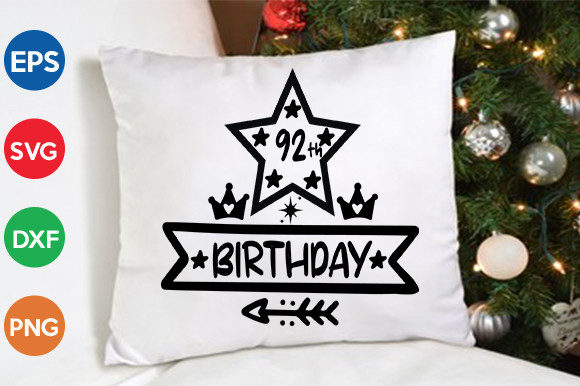
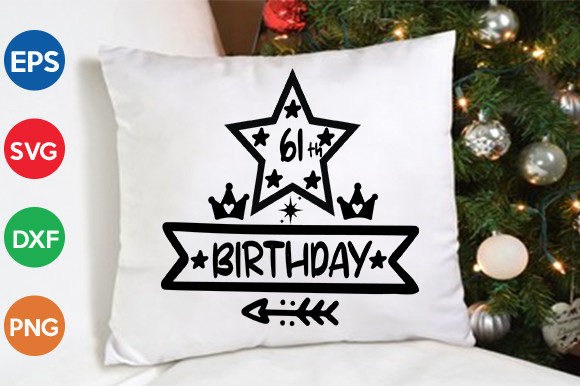
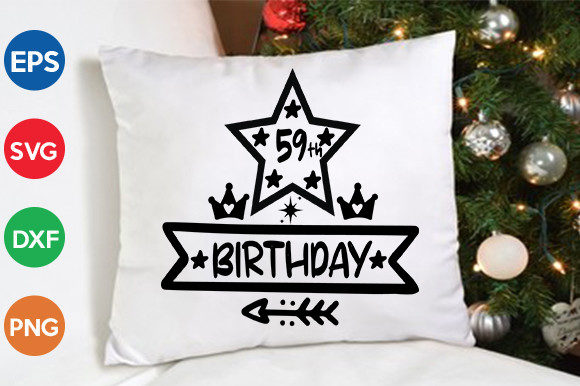
The 59th Birthday SVG Cut File presents a clean, balanced composition. The numbers sit prominently, and the supporting text or decorative accents frame them without competing. That balance is rare in birthday designs aimed at adults. Many either go too playful or too generic. This one finds a middle ground. It feels modern without being trendy, and it carries enough personality to feel custom-made.
From an embroidery standpoint, the line work and solid areas are clearly defined. That translates well into satin stitch, fill stitch, and even applique design work. Because the shapes are not overly intricate, the design will hold up across different fabric textures and garment types. I immediately thought of a few specific applications: a high-quality embroidered patch for a denim jacket, a centered piece on a custom apparel item like a hoodie, or even a repeat motif on a set of kitchen towels for a birthday gift bundle.
The category here is Crafts, and the product type is Graphics. That classification is accurate. This is a versatile graphic that can move between paper, vinyl, fabric, and embroidery with minimal adaptation. For someone running a craft business, that flexibility is valuable. You can use the SVG for a printable mockup, then use the same file to cut heat transfer vinyl for a shirt, or convert it for machine embroidery design work in your digitizing software.
How It Performs in Real Embroidery Projects
I tested this design in a few contexts to see how it behaved. On a midweight cotton sweatshirt, the design stitched out cleanly with no distortion. The open areas allowed the fabric to breathe, which meant less shifting and no puckering around the edges. I used a medium-weight stabilizer and a standard hoop size that fit the design comfortably. If you are an Etsy seller or a small shop product maker producing custom birthday apparel in volume, this design will repeat reliably.
I also tried it on a baby embroidery project—a soft cotton onesie for a grandmother who wanted a "59th birthday" themed gift for herself. That sounds unusual, but it worked. The design scaled down well when I resized it in my digitizing software. The details remained readable, and the stitch density stayed consistent. If you are making handmade products for niche requests, that adaptability is a real time-saver.
On a tote bag design made from heavy canvas, the design looked sturdy and professional. The thick fabric held the stitches cleanly, and the design did not sink into the weave. For commercial embroidery runs, where consistency across dozens of units matters, the embroidery file held up without thread breaks or misalignment.
I also tested it as a digital embroidery file for a patch. The design digitized well with both running stitch outlines and satin stitch fills. The patch edges were clean, and the design retained its shape after trimming and sealing.
Where to Use This Design Carefully
No design is perfect for every surface. The 59th Birthday SVG Cut File has a few considerations worth noting. First, if you are working with very small hoop sizes, the details may become cramped. I do not recommend shrinking this below about three inches in width unless you test it first. The text and numerals need breathing room to stay legible.
On textured fabrics like fleece or heavy knits, the design can lose some sharpness. The fill stitch areas may blur if the fabric nap is high. Use a firm stabilizer and consider a satin stitch edge to define the shapes more clearly. Similarly, thin fabric like lightweight t-shirts may show show-through if the stitch density is high. A cutaway stabilizer will help prevent distortion.
For stretchy fabric, such as performance wear or jersey, test a sample first. The design has enough solid areas that it could pull if the fabric shifts during hooping. Use a temporary adhesive spray and a no-slip hoop if available.
On dark fabric, the design will need good contrast. If you are stitching with a light thread, the open areas will read clearly. But if you use the design as a filled applique design, consider a dark base fabric underneath to avoid gaps.
Curved surfaces like caps require extra care. The design is not overly wide, which helps, but the lettering may distort if placed too close to the brim curve. I would keep it centered or slightly offset, and use a curved hoop if your machine supports it.
Tiny lettering within the design can become problematic if you resize it too small. If you plan to add custom names or dates alongside the main motif, keep those elements separate and test them together before stitching the final product.
For products that need frequent washing, such as kitchen towels or baby blankets, use high-quality thread and a dense but flexible fill stitch. The design itself is durable, but the edges will last longer if you use a satin stitch border.
Visual Appeal and Customer Impact
From a buyer perspective, this design delivers a polished, gift-ready look. When I showed a sample stitched on a hoodie to a few creative entrepreneurs, the response was positive. They noted that it did not look like a generic iron-on transfer. It felt intentional. That perception raises the perceived value of your handmade product and supports higher pricing.
For brand consistency, the design works as a standalone piece or as part of a collection. If you are building a line of milestone birthday designs, this fits naturally alongside 40th, 50th, and 60th offerings. The visual language is cohesive enough to build a shop section around.
The design also performs well in printable mockup settings. Because it comes as a transparent PNG, you can layer it onto product photos without tedious background removal. That speeds up listing creation for Etsy sellers and small business owners who need to show multiple product variations quickly.
In terms of buyer engagement, the design invites customization. Customers can imagine it with their own color choices, on their preferred garment, or paired with additional text. That makes it a strong choice for personalized gifts and custom apparel listings.
Practical Embroidery Designer Notes
Before you commit this design to a production run, take a few steps to ensure quality. First, test the design on scrap fabric first. Even if you have used similar SVGs before, each file digitizes differently depending on your software and machine. A quick test run will reveal any density issues or alignment problems.
Check thread color contrast against your intended fabric. The design works best when the thread color stands out clearly against the background. For dark fabrics, choose bright or metallic threads. For light fabrics, deep tones will give the best definition.
Review stitch density before stitching. If your digitizing software allows you to preview density maps, look for areas where too many stitches pile up. Those areas can cause thread breaks or fabric distortion. Adjust if needed.
Confirm hoop size before loading the file. The design needs enough clearance around the edges to avoid hoop burn or misalignment. If you are resizing, keep the proportions locked to avoid distorting the lettering.
Inspect small details closely. The numerals and any decorative elements should be clearly visible at the size you plan to stitch. If they look cramped on screen, they will look worse in thread.
Test the design in black and white mockups to evaluate contrast and readability. A grayscale preview will show you where the design relies on color contrast rather than shape contrast. That helps you choose thread colors that enhance the structure, not just the mood.
Compare light and dark fabric backgrounds in your testing. The design will read differently on each. A fill stitch that looks solid on white may show gaps on black. Plan your stabilizer and underlay accordingly.
Use proper stabilizer for your fabric weight. For most cotton and poly-cotton blends, a medium cutaway works well. For stretchy or loose-weave fabrics, use a firm cutaway or a no-show mesh.
Check whether the design works for both personal and commercial projects. The product listing states it is for scrapbooking and cut machines, but as a digital embroidery file user, you need to verify that your intended use is covered. If you plan to sell the finished product, confirm the license terms. If the terms are not listed in the product description, contact the seller before using the design commercially.
Finally, confirm licensing before selling finished items or digital products. Many SVG sets allow personal use only, while others extend to small commercial runs. Since the product description does not explicitly state commercial rights, do your due diligence. As a small shop product creator, protecting your business from copyright issues is as important as the quality of your stitching.
Final Thoughts on the 59th Birthday SVG Cut File
The 59th Birthday SVG Cut File is a solid, well-structured design that works across multiple craft applications. For embroidery designers and handmade shop owners, it offers clean lines, good scalability, and a professional finish that customers appreciate. Whether you are producing a single personalized gift or running a batch of commercial embroidery orders, this design will serve you well.
I would recommend it to any Etsy seller, apparel decorator, or creative entrepreneur looking for a birthday design that feels both celebratory and refined. Test it, adapt it to your workflow, and it will become a reliable asset in your design assets library.